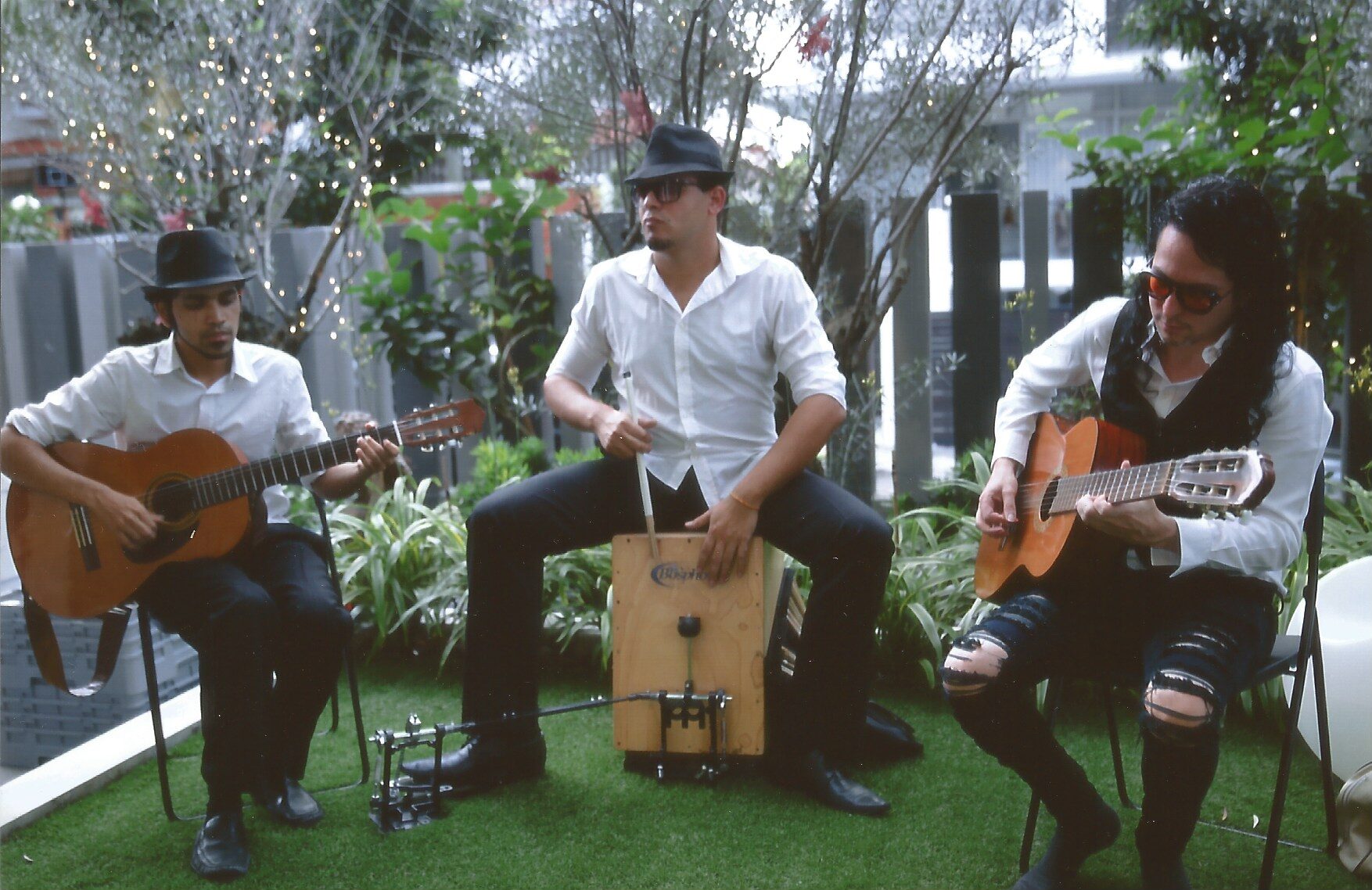
Thinking about learning guitar in Singapore? You might wonder where to start, whether you need to own an instrument, or if you’re too far along in life to begin. The good news is simple: you can begin right now, exactly where you are, with lessons customized to your schedule and the music you love. With more than a decade of teaching behind me, performance experience across the globe, and genuine excitement every time a student nails a clean chord transition, I can promise this: it never gets boring.
Lessons run in the Newton and Orchard area in town, but we also offer remote sessions for students who prefer learning from home. My teaching style is warm, supportive, and grounded in practical skills. We’ll laugh through the awkward moments—including that pesky F chord that seems to haunt every beginner.
Why guitar lessons matter in a busy city
When you live in a place like Singapore, every minute counts. Finding a skilled tutor who understands your unique situation, keeps you on track, and makes improvement feel organic is invaluable. You also deserve a safe space where beginner status doesn’t invite judgment.
- Accessible location that fits naturally into your week after work or between other commitments
- Song selections matched to your musical taste, not a predetermined playlist
- Audio files, video tutorials, and written materials to support your home practice
- Test-drive instruments at the studio before making a purchase decision
I’ve worked with learners from all backgrounds, from young people finding their voice through music to busy professionals revisiting a dream they’ve carried for years. With smart, condensed practice sessions, meaningful progress is absolutely within reach without needing to practice for hours on end.
What you’ll experience in a session
Learning guitar looks different for everyone. Some people build confidence methodically. Others want to play their favorite song by week’s end. Regardless, here’s what typically happens.
- A brief warm-up to prepare muscles and joints for playing
- Focused technique training to enhance sound quality and hand-eye coordination
- Playing music that matters to you, at your current ability level
- Key music theory ideas that make your playing intentional, never overcomplicated
- A practical home practice roadmap for the coming week
In-studio lessons in the Newton and Orchard area happen in a welcoming, low-pressure atmosphere where mistakes are learning opportunities, not failures.
Music styles and genres we cover
Your passion determines the curriculum. I craft lessons around the musicians, styles, and compositions that genuinely excite you, transforming practice into something you actually want to do.
- Modern pop and radio hits
- Acoustic, indie, and singer-songwriter traditions
- Rock legends, blues standards, and soul classics
- Christian, spiritual, and uplifting music
- Jazz frameworks and intricate rhythm structures
- Singapore classics and nostalgic favorites
Working with only three chords right now? Fantastic. I can guide you toward creating beautiful, complete-sounding songs using just those three chords, developing musicality from day one.
Teaching philosophy and why students stay
I’m a full-time guitar teacher because I genuinely believe in music’s power to transform people. Throughout more than a decade of teaching, I’ve observed how the right tempo, the right material, and the right practice system can turn a hesitant novice into an assured performer.
- More than twelve years teaching, with international live experience
- Flexible yet structured approach customized to your learning style
- Bespoke lesson content, video walkthroughs, and support you can access anytime
- Measurable goals that maintain motivation and track improvement
Explore my full story and teaching philosophy at https://privateguitarclass.com/
Beginning with no prior experience
If you’re picking up a guitar for the very first time, exciting things happen quickly with proper guidance.
- Learning grip and tuning procedures correctly from the start
- Playing your opening chords cleanly and painlessly
- Transitioning between chords with optimal hand placement
- Discovering strumming grooves that bring songs to life
- Taking care of your fingers so calluses form without injury
Typically, students complete a full song within their first three to four lessons. It’s not concert-perfect, but it’s unmistakably music—and that encouragement matters tremendously.
Practice routines that align with Singapore life
You won’t need lengthy daily practice sessions. Intentional, focused practice outperforms casual, lengthy sessions every single time.
Many working students succeed with this weekly structure:
- Three to five fifteen-minute sessions per week
- Five minutes perfecting core technique for long-term skill development
- Five minutes working through chord transitions or fingering patterns
- Five minutes playing with a backing recording or original song
Practical advice that works:
- Display your guitar on a stand in plain sight—visibility encourages playing
- Record quick audio snippets to recognize errors you’d overlook otherwise
- Practice one minute with a metronome, then play the real song at tempo
- Do hand stretches and flexibility work during your commute or while relaxing
Common obstacles and our solutions
Tender fingertips
- Expected initially. I’ll modify string height and coaching to reduce discomfort while your hands toughen up naturally.
Rhythm and timing challenges
- We deconstruct patterns into simple pieces and practice slowly. Rhythmic understanding builds gradually through repetition and solid teaching.
Limited finger span
- Hand posture and thumb positioning adjustments frequently solve what seems impossible. Tiny mechanical shifts unlock surprising flexibility.
Worry about playing poorly
- Imperfect beginnings are totally normal. We advance methodically, acknowledge each accomplishment, and never push too hard.
Choosing your instrument: acoustic, electric, or classical
Not sure which type suits you? Consider these characteristics.
- Acoustic: Perfect for pop, folk, acoustic fingerstyle, and rhythmic styles
- Electric: Lighter to press, highly adaptable, plays quietly with an amp or headphones
- Classical: Spacious neck design, soft nylon strings, beautiful resonance for picking and melodic playing
Still deciding on a purchase? Use a studio guitar while we determine what works within your budget and musical interests.
Lesson packages and benefits
Straightforward formats with clear pricing. No surprises, no undisclosed charges. All lessons come with personalized materials, practice recordings, and consistent guidance.
| Lesson Format | Ideal For | Included Perks | Availability |
|---|---|---|---|
| First Lesson | Curious beginners without an instrument | Guitar supplied, expectations clarified | Weekday times |
| Single Lesson | Building week-over-week advancement | Instructions, video guides, constructive input | Weekday times |
| Eight-Lesson Package | Structured growth with added value | Tailored journey, regular assessments | Weekday times |
Need to reschedule? Just provide 48 hours’ heads-up, and I’ll find another weekday slot nearby. Straightforward and no hassles.
Our location and studio atmosphere
The Newton and Orchard studio sits in the middle of the city, offering accessible, relaxed instruction with flexibility for online sessions too. It’s conveniently situated with restaurants nearby and great public transportation. The teaching space is calm, organized, and stocked with instruments, tuning equipment, stands, picks, and all the resources that facilitate excellent learning. You walk in as yourself; the space handles everything else.
After most lessons, I film short video reminders covering the key points we addressed. These clips become your reference when you forget a fingering during the week.
Customization to your unique needs
Two learners can tackle the same piece yet take entirely different paths. That’s perfectly fine—it’s what makes teaching rewarding. Your physiology, your goals, your preferences, and your musical vision all shape the plan.
- If you’re interested in singing and playing together, I’ll adapt chord voicings to your vocal register and blend vocal and instrumental parts smoothly
- If melodic lines and solos fascinate you, we’ll work on strength and precision using tunes you recognize
- If you’re composing your own material, we’ll explore harmonic choices, song architecture, and arrangement techniques
Your curriculum reflects who you are, not a standard format. Music theory is woven in so you comprehend the structure, not just repeat patterns.
How quickly will you improve
Your advancement timeline depends on practice frequency and life circumstances. Using student experience as a guide, here’s what dedicated practice (three-plus times weekly) typically yields.
- Week 1 to 2: Open chords, song framework, fundamental strumming
- Week 3 to 4: Fluid chord shifts, varied patterns, complete songs playable
- Month 2 to 3: Solid song repertoire of three to four pieces, confident rhythm, polished tone
- Month 4 to 6: Fingerpicking methods, polished strumming techniques, readiness to create personalized arrangements
Timelines are flexible—we modify as we progress based on what feels natural for you.
Learning materials provided
Your growth continues outside of our sessions through materials I prepare that persist over time and are accessible for ongoing study.
- Individualized chord layouts and notation
- Slow, moderate, and fast-paced play-along recordings
- Short video clips showing your personal lesson content
- Weekly progress tracking and goal reminders
Students consistently mention that these supporting materials keep them engaged and give them a reference point when practicing on their own.
Parents and career professionals
Parents often wonder about minimum age or readiness. If a young person can concentrate briefly and manage the instrument’s size, we can start. Classes blend structure with play, keeping enthusiasm high without sacrificing educational value.
Working professionals frequently worry they’re starting too late. Not true. Career-minded students typically advance rapidly given their dedication, focus, and internal drive. Your professional background—not your age—becomes your advantage.
If you’ve already got some skills
Maybe you’re comfortable with fundamental chords and several songs but feel like you’ve hit a ceiling. Here’s the pathway ahead.
- Solidify difficult chords and power formations until they ring perfectly
- Enrich strumming with feel, expression, and dynamic control
- Explore fingerpicking approaches that work on various guitar types
- Assemble a repertoire of pieces you’re proud to perform
- Find keys that suit your natural voice and range
I’ll help you transition from “I’m capable of playing this” to “I’ve developed my own musical voice.”
Purchasing your inaugural guitar locally
A quality beginner instrument won’t break the bank. Pay attention to these factors while shopping.
- String height: Should feel smooth, not overly tight against the neck
- Neck dimensions: Hand should grasp comfortably without undue tension
- Staying in tune: Maintains pitch consistency across multiple days
- Sound: Resonance that appeals to your ear—bright or mellow
Take notes to a guitar store. Alternatively, discuss your options during our lessons and I can point out beginner-appropriate instruments across price points and genres.
Daily routines that produce major changes
- Tune your instrument each time you sit down
- Maintain proper sitting posture with stability and close placement
- Monitor wrist alignment—firmness impedes development
- Slow down and chase cleanness over rushed playing
- Conclude sessions with enjoyable material, a beloved section, or a cherished tune
Progress compounds. Each tiny victory builds courage. Confidence fuels advancement. Advancement builds genuine skill.
Real student experiences
- A gentleman approaching his fifties thought music wasn’t in his DNA. Within months, he performed an Ed Sheeran track for his family. The response was overwhelming—even the neighbors were clapping.
- A young student wrestling with barre chords shifted their thumb placement and reduced string pressure slightly. Several lessons later, that difficult F major chord transformed into something manageable.
- A full-time professional attended lessons on weekday evenings and assembled a trio of songs for her workplace gathering. She later shared, “I wasn’t worried. Honestly one of my best moments.” Those words stuck with me.
The advantage of a central location
Positioning in Newton and Orchard means fewer travel hours and less hassle fitting lessons into your schedule. Shorter trips = easier attendance. Simple attendance = superior consistency. Consistency = rapid improvement.
What comes next
Interested in what this could look like for you? Schedule a trial session to sample the coaching approach, meet the space, and see if it’s a match. You’ll depart with transparent guidance and zero guesswork about moving ahead.
- Weekday evening openings in the central Newton and Orchard district
- Guitars available on-site if you’re not ready to purchase
- Honest, upfront pricing structure
- Flexible rescheduling with just 48 hours’ advance notice
Claim your first lesson at https://privateguitarclass.com/ and we’ll get rolling. Even if you believe you’re hopeless or have clumsy hands, give it a go. That first clear chord change is nearer than you realize.